
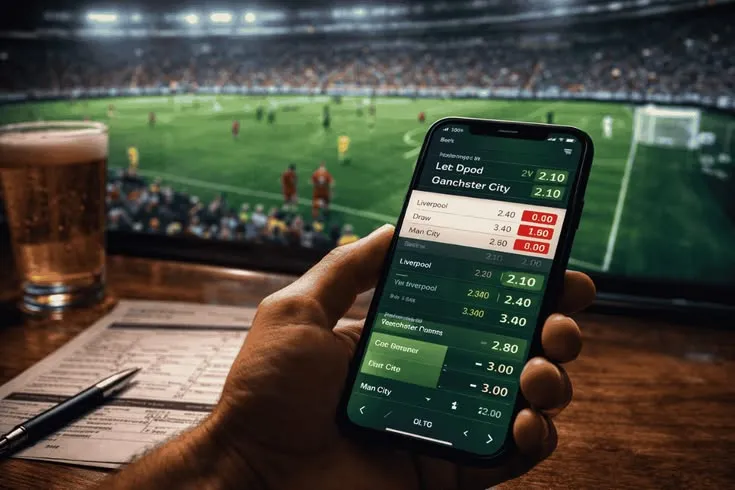
Sportsbook advertising often focuses on welcome offers, boosted odds, or large event banners. These can attract attention, but they reveal little about how useful the platform will be after registration. Market depth, clear settlement rules, reliable event information, and a well-designed bet slip usually have a greater effect on day-to-day usability.
When comparing the Best Online Sports Betting Sites, bettors should examine the range and quality of markets rather than counting promotions. A strong sportsbook makes it easy to understand what is being backed, when the event starts, and how the wager will be settled.
Event Coverage Is Only the Beginning
A long sports list can be impressive, but depth within each event matters more. Football bettors may want match result, totals, handicaps, player markets, corners, or cards. Tennis users may compare match, set, and game markets. Basketball followers may look for spreads, totals, and player statistics.
Not every market is equally useful. A platform that lists many obscure options but provides incomplete rules may be less practical than one with fewer, clearly explained choices. Bettors should start with the sports they understand best.
Check the Odds Format and Bet Slip
Decimal, fractional, and American odds present the same basic information in different formats. Malaysian users may also encounter regional formats. The sportsbook should allow the preferred display and keep it consistent across event pages and the bet slip.
The bet slip should show the selection, market, odds, stake, and potential return before confirmation. If odds change, the user should receive a clear notice and decide whether to accept the new price. Accumulator or combination bets should display every leg and explain how one losing selection affects the ticket.
Live Betting Needs Clear Timing
Platforms such as IBC Sports Online may present in-play markets where odds move as the event develops. Live betting requires particular attention because broadcast feeds and sportsbook data can have different delays. A user watching television may see an event later than the betting system records it.
Markets can also be suspended without warning during important moments. This is normal risk management, but the interface should distinguish a suspended market from a technical error. Confirmed wagers should remain visible in the open-bets area.
Settlement Rules Prevent Disputes
Rules should explain how postponements, abandonments, extra time, dead heats, player withdrawals, and statistical corrections are handled. A football market may settle on 90 minutes only, while another includes extra time. A tennis wager may depend on whether one set was completed before a retirement. Reading these terms before placing a bet is more useful than trying to interpret them after an unusual result. The help center should provide sport-specific rules, not just general conditions.
Use Depth Responsibly
More markets create more choice, but they also make it easier to place wagers on events the bettor has not researched. A sensible approach is to choose a limited number of competitions, set a fixed stake plan, and avoid increasing bets after a loss. Promotions should never determine the amount someone can afford to risk.
Compare Pre-Match and In-Play Organization
A sportsbook may organize pre-match and live markets differently. Pre-match pages should make schedules, league names, and start times easy to scan, while live pages need current scores, clocks, and suspension notices. Users should confirm that event times are displayed in the correct time zone, particularly when following international competitions.
Search and favorite tools can improve a large sportsbook, but they should not hide the full market name. A shortened label may cause confusion between first-half, full-time, set, or player markets. Expanding the selection before adding it to the slip helps ensure that the bettor has chosen the intended event period and settlement condition. A clearly labeled search history can also help users return to a competition without relying on promotional shortcuts.
Conclusion
A sportsbook deserves comparison based on the clarity and usefulness of its markets, not the size of its promotional banner. Bettors should review event coverage, odds formats, bet-slip design, live-market timing, and settlement rules for the sports they actually follow. Testing the interface with a small, planned stake can reveal more than browsing the homepage. Market depth is valuable only when each option is understandable and supported by clear conditions. By focusing on familiar competitions, checking the final ticket before confirmation and keeping wagers within a fixed entertainment budget, users can make more disciplined choices and reduce misunderstandings when events are delayed, suspended or settled under special rules.
